TripAdvisor rankings are more than a number—they are a reflection of your hotel’s reputation, guest satisfaction, and overall credibility. For hotels looking to improve TripAdvisor ranking, the focus must be on creating meaningful experiences that guests feel compelled to share. Every touchpoint, from booking to checkout, contributes to the narrative your guests post online, and these experiences directly influence your ability to improve TripAdvisor ranking.
Improving your ranking is not just about generating reviews but about understanding guest perception, optimizing touchpoints, and embedding a feedback culture into daily operations. This guide offers actionable strategies to enhance visibility, build trust, and turn guest experiences into long-term loyalty.
Improve TripAdvisor Ranking by Understanding How Guest Perception Shapes the Score
TripAdvisor scores reflect guest perception in three major areas: volume of reviews, recency, and consistency. Understanding these factors is key to driving sustainable improvement.
- The Weight of the Review Volume on Visibility
A steady stream of authentic reviews signals relevance. Hotels that consistently engage with guests and encourage honest feedback naturally attract more reviews. High review volume not only impacts ranking but also reinforces trust among potential travelers, helping to improve TripAdvisor ranking over time.
- Why Recency Rewrites Your Reputation Story
Recent reviews hold more weight in the eyes of travelers. Even if your hotel has excellent historical ratings, outdated feedback may not convey current service quality. Understanding how consumers think, fresh reviews are also more relevant in algorithms.
- How Consistency Becomes Your Credibility Anchor
Repeatedly delivering positive experiences builds reliability. Guests tend to have more confidence in hotels that reliably deliver on promises. When reviews consistently highlight strengths—such as cleanliness, attentive staff, or comfort—it reinforces credibility and encourages others to book. .
Mastering On-Property Moments That Influence Reviews
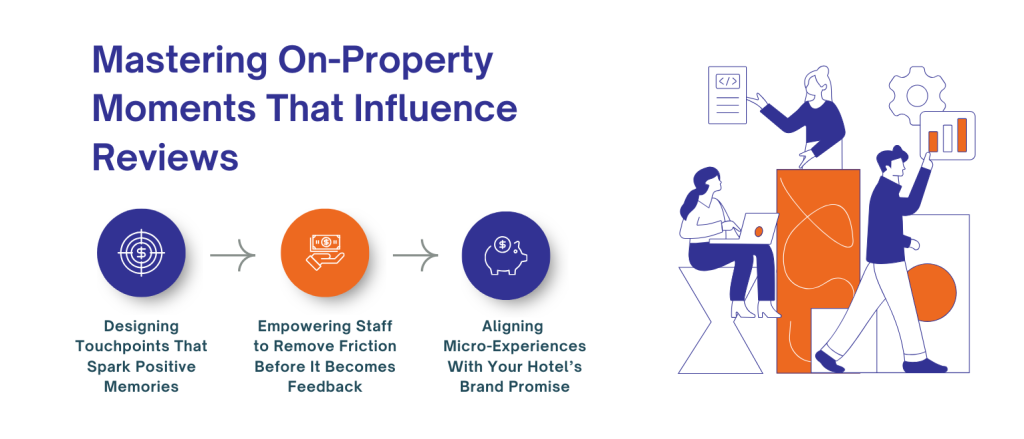
The majority of TripAdvisor reviews are emotion-driven. Guests remember how they felt more than the specifics. Optimizing on-property moments can significantly influence review outcomes and directly support efforts to improve TripAdvisor ranking.
- Designing Touchpoints That Spark Positive Memories
Small gestures matter: personalized greetings, welcome amenities, clean and ready rooms, and thoughtful concierge recommendations create memorable impressions. These micro-moments often become the highlights guests mention in their reviews.
- Empowering Staff to Remove Friction Before It Becomes Feedback
Minor issues can quickly become negative reviews if left unresolved. Team members who are trained to anticipate needs, uncover guest satisfaction levels, and resolve concerns promptly can turn potential dissatisfaction into positive feedback.
- Aligning Micro-Experiences With Your Hotel’s Brand Promise
Every interaction should reinforce the hotel’s values. When service aligns with brand promises, guests feel confident and are more likely to leave positive reviews.
Requesting Reviews the Right Way—Ethical, Timely, Guest-First
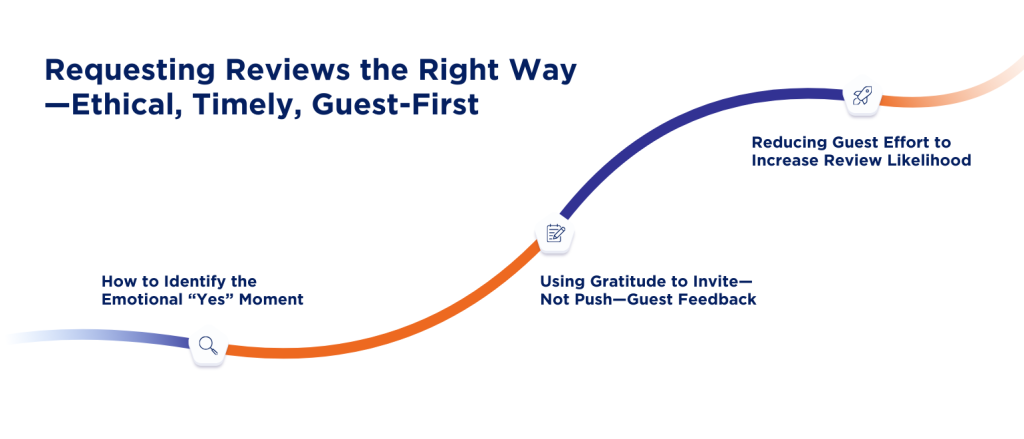
Review requests are most effective when they are thoughtful, ethical, and guest-centered.
- Invite a Review during a thoughtful conversation
Invite feedback after you’ve built trust and rapport with a guest. Waiting until the guest is walking out the door will feel scripted and robotic, instead, incorporate this mention during a more authentic guest conversation.
- Using Gratitude to Invite—Not Push—Guest Feedback
A genuine thank-you paired with a review invitation feels personal. Guests respond more positively when they sense appreciation rather than pressure.
- Reducing Guest Effort to Increase Review Likelihood
Provide clear instructions and direct links. Making the process effortless ensures that positive intentions translate into actual reviews.
Turning Digital Interactions Into Feedback Opportunities
Digital channels can facilitate review collection without feeling transactional.
- Smart Wi-Fi Landing Prompts That Don’t Feel Transactional
Wi-Fi portals can include optional satisfaction check-ins rather than direct review prompts. Guests appreciate being asked for feedback in a way that feels caring rather than forced.
- QR Touchpoints That Create Instant Service Recovery
QR codes allow guests to report issues immediately. Addressing concerns in real time prevents negative reviews and demonstrates attentiveness.
- Micro-Surveys That Capture Sentiment in Real Time
Quick surveys completed during a guest’s stay capture real-time feedback, demonstrating that their opinions are truly valued and acted upon.
Post-Stay Messaging That Strengthens Recall and Drives Reviews

The post-stay period is a critical window for review conversion.
- Crafting Follow-Ups That Feel Personal, Not Automated
Reference specific details from the guest’s stay to make messages feel authentic. Custom follow-up messages are significantly more impactful than generic ones.
- Using Memory Triggers to Reignite Positive Guest Emotion
Remind guests of positive moments—scenic views, exceptional dining, or friendly staff—to strengthen emotional recall and encourage reviews.
- Timing Your Outreach to Maximize Review Conversion
Sending messages at the right time ensures they feel thoughtful, not intrusive, maximizing the chance guests will leave reviews.
Using Social Proof Across Social Media and Your Website
Guest feedback can influence travel decisions well beyond TripAdvisor when it is shared thoughtfully across digital channels. Highlighting authentic reviews and experiences helps potential travelers evaluate a property with confidence while reinforcing credibility and trust.
- Turning Guest Feedback Into Reputation Signals
Sharing real guest perspectives on social media and owned channels provides valuable context for future travelers and reinforces transparency.
- Highlighting On-Site Reviews to Build Confidence
Displaying recent reviews within booking paths or on property—such as in lobby displays or digital touchpoints—helps travelers make informed decisions earlier in their journey.
- Encouraging TripAdvisor Reviews Through Low-Friction Touchpoints
Offer clear and convenient ways for guests to leave reviews without applying pressure or making assumptions about their experience. Options such as follow-up communications, QR codes, or website links allow guests to participate when and how they choose.
Building a Culture Where Feedback Fuels Excellence
Sustainable visibility comes from embedding feedback into daily hotel operations.
- Embedding Gratitude Into Your Service DNA
Teams that view feedback as appreciation engage more meaningfully with guests, improving satisfaction naturally.
- Training Teams to Anticipate, Prevent, and Resolve Issues
Proactive service reduces complaints and ensures consistent positive experiences across stays.
- Closing the Loop Through Structured Complaint and Review Logs
Documenting feedback patterns allows leadership to identify trends and implement data-driven improvements, enhancing both service and reputation and helping to improve TripAdvisor ranking.
How The Reputation Lab Dignified Your Hotel’s Visibility
True TripAdvisor growth comes from data-driven insights, structured training, and guest-first strategies.
- Frameworks That Turn Guest Feedback Into Actionable Strategy
The Reputation Lab converts guest sentiment into actionable initiatives to improve experiences and online visibility.
- Data-Driven Insights to Amplify Your Ranking
Analyzing review patterns identifies what drives ranking, helping hotels focus on service improvements that truly matter.
- Training Systems That Convert Reviews Into Long-Term Loyalty
Staff trained to connect daily service to guest perception ensure that reviews reflect authentic service excellence, not just marketing efforts.
With The Reputation Lab’s guidance and thoughtful insights, hotels can genuinely listen to their guests, turn feedback into meaningful improvements, and nurture experiences that naturally elevate TripAdvisor performance.