

In hospitality, guests don’t just remember what you offered—they remember how you made them feel. A smooth check-in, a warm smile after a long journey, or a quick response to a small concern can shape the entire stay. These moments quietly influence reviews and perceptions long after guests leave. This is where thoughtful review quality control becomes essential—not as a checklist, but as a way of truly listening to guest experiences.
Rather than focusing only on ratings or star scores, review insights guided by quality control help hotels understand the emotions behind guest feedback. When guests feel acknowledged and understood, trust grows naturally. Over time, this trust turns into loyalty, positive word-of-mouth, and reviews that reflect genuine experiences instead of frustration.
Hotels that approach feedback with care don’t just manage reputation—they nurture it.
Review Quality Control That Mirrors Real Guest Perception
- Mapping Moments That Influence Guest Satisfaction
Every stay includes defining moments. The welcome at the front desk, the first impression of the room, and the response to a special request—these moments quietly shape guest sentiment. Mapping these touchpoints helps hotels recognize where emotions rise and where care matters most. When these moments are handled with intention, guests feel seen rather than processed.
- Understanding Emotional Spikes During a Stay
Guest emotions are not linear. A thoughtful gesture can elevate a stay, just as a minor inconvenience can overshadow an otherwise pleasant experience. Quality review control focuses on noticing these emotional shifts early. A warm response during a challenging moment often becomes the most remembered part of the stay—and frequently, the most mentioned in reviews.
- Identifying Hidden Obstacles in the Guest Journey
Not every guest voices discomfort during their stay. Many choose silence, only to express dissatisfaction later online. By paying attention to patterns in feedback and subtle signals—hesitation, repeated questions, or service delays—hotels can identify friction points before they turn into public criticism. .
Signals Hotels Must Evaluate in Review Quality
Guest feedback often carries meaning beyond the words themselves. Learning to recognize these signals helps hotels respond with empathy rather than defensiveness.
- Service Habits That Build or Break Trust
Trust is built through consistency. Guests notice when staff members are attentive, responsive, and genuinely present. They also notice when service feels rushed or disconnected. Observing service habits helps leadership reinforce behaviors that make guests feel cared for rather than overlooked.
- Consistency Gaps Guests Notice Instantly
Guests may forgive a single oversight, but repeated inconsistencies create doubt. When expectations aren’t met uniformly, confidence erodes. Review insights guided by quality control help identify where service delivery drifts from promise, allowing hotels to realign experiences before dissatisfaction spreads.
- Patterns That Foreshadow Poor Online Reviews
Recurring mentions of the same issue—noise, delays, unclear communication—are early warning signs. Addressing these patterns early protects both guest satisfaction and long-term credibility.
Core Elements of an Effective Review Quality System
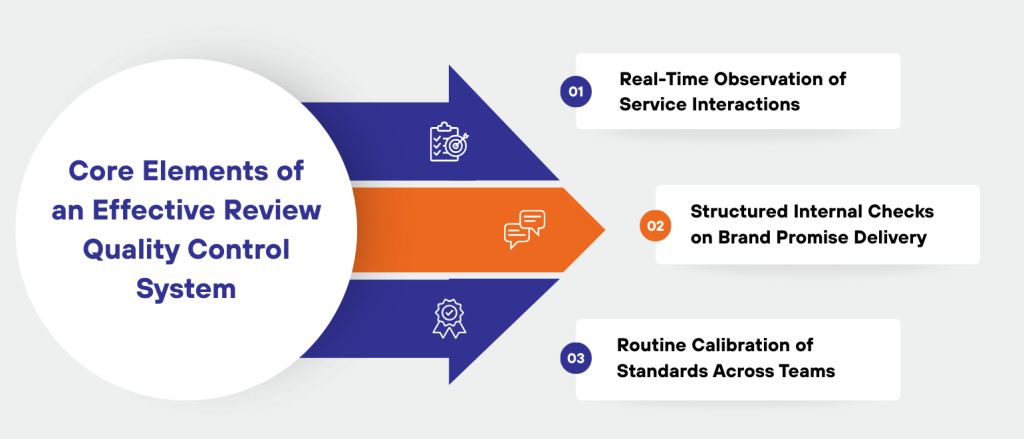
A meaningful approach to reviewing insights guided by quality control is rooted in awareness, not surveillance.
- Real-Time Observation of Service Interactions
Being present during guest interactions provides invaluable insight. It allows leaders to understand tone, timing, and responsiveness—elements that no report can fully capture.
- Structured Internal Checks on Brand Promise Delivery
Guests book with expectations shaped by your brand message. Internal checks ensure that what’s promised online aligns with what’s delivered on the property. When promises are kept, trust follows naturally.
- Routine Calibration of Standards Across Teams
Service standards shouldn’t depend on shifts or departments. Regular alignment across teams helps maintain a shared understanding of what great hospitality looks and feels like for guests.
Why Review Quality Control Strengthens Hotel Reputation
When practiced with empathy, listening to reviews with care becomes a quiet strength behind a hotel’s reputation.
It builds a dependable foundation for online credibility by ensuring guest experiences remain authentic and consistent.
It allows hotels to respond thoughtfully before concerns escalate into negative public feedback.
- It supports better decision-making by grounding improvements in real guest experiences rather than assumptions.
Converting Quality Review Findings Into Reputation Wins
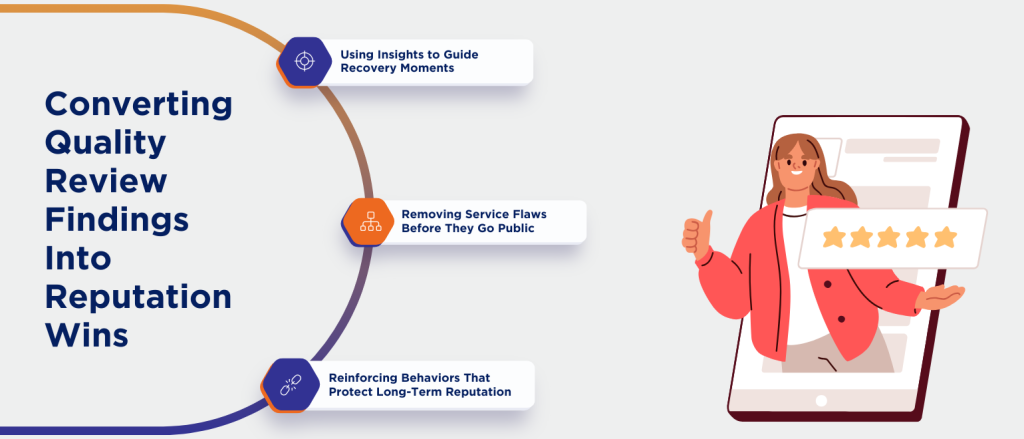
- Using Insights to Guide Recovery Moments
A sincere response to a guest’s concern can change the tone of an entire experience. When guests feel genuinely heard, even difficult moments can lead to positive reviews.
- Removing Service Flaws Before They Go Public
Addressing issues quietly and promptly prevents frustration from becoming visible online. Guests often appreciate resolution more than perfection.
- Reinforcing Behaviors That Protect Long-Term Reputation
Recognizing teams for thoughtful service reinforces a culture where care is valued. Over time, this culture becomes visible in guest feedback.
The Reputation Lab’s “Assess–Interpret–Elevate” Framework
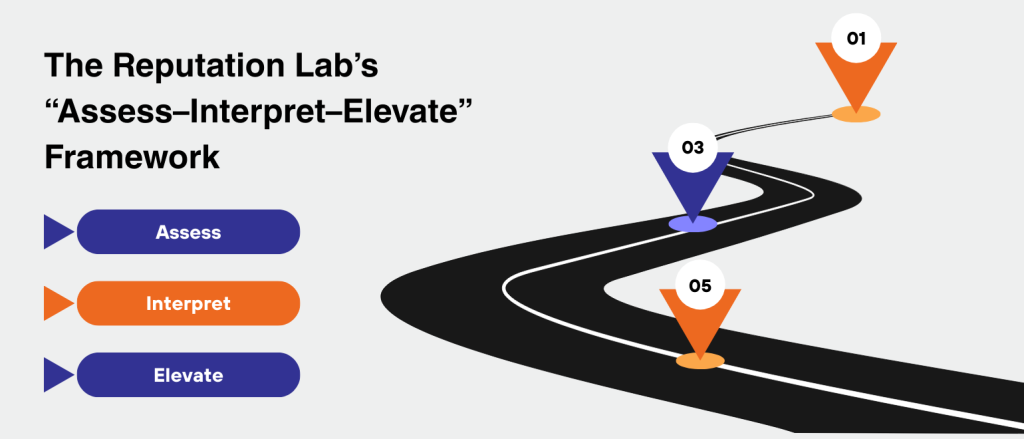
At The Reputation Lab, listening to guest reviews with a quality focus is approached with empathy, clarity, and purpose.
Assess: We gather feedback that reflects true guest sentiment, paying attention not just to what is said, but how it’s felt.
Interpret: We uncover patterns that reveal deeper service opportunities, helping hotels see beyond surface-level comments.
- Elevate: We guide thoughtful improvements that enhance guest experiences and strengthen perception across every touchpoint.
Hotels that apply this framework see more than improved reviews—they see stronger relationships with their guests.
Turning Insights Into Lasting Hospitality Excellence
When quality control is built around real guest experiences and rooted in care, it becomes a pathway to trust. Guests feel more comfortable sharing feedback when they know it will be received with understanding. Over time, this openness creates experiences that feel personal, consistent, and genuine.
Small actions—thoughtful follow-ups, attentive listening, timely responses—leave lasting impressions. Guided by meaningful feedback, these moments quietly shape a reputation guests are proud to share.
Conclusion
Quality Review control is not about managing opinions—it’s about honoring experiences. Hotels that approach feedback with empathy create environments where guests feel valued at every stage of their journey. This mindset leads to authentic reviews, stronger trust, and reputations built on care rather than control.
At The Reputation Lab, we help hotels listen more deeply, respond more thoughtfully, and elevate guest experiences with intention. By transforming insight into action, we help hospitality brands build reputations that honestly reflect the care they deliver every day.