
Understanding what guests truly experience during a stay is central to improving service and protecting reputation. Hotel guest evaluation goes beyond collecting opinions and focuses on understanding guest perspectives that inform practical actions. Every review, survey response, and conversation provides clues about how guests perceive interactions, amenities, and overall service quality.
By examining feedback thoughtfully, hotels gain a clearer picture of what shapes guest satisfaction and trust. Acting on these insights ensures consistency, reduces friction, and helps teams align their daily practices with guest expectations.
Why Hotel Guest Evaluation Matters

Hotel guest evaluation captures real experiences and highlights what drives guest satisfaction. Rather than relying on marketing messages, guests form opinions based on personal experiences, which collectively influence a property’s reputation.
- Guest Evaluation Reflects Real Experiences
Feedback from multiple touchpoints shows how service is delivered in practice, not just in principle. Observing these patterns enables teams to recognize which behaviors enhance satisfaction and which create potential dissatisfaction. Each guest interaction becomes an opportunity to understand perception and respond with clarity.
- Every Guest Perspective Contributes to Reputation
Every review, comment, and conversation adds to the overall impression guests have of a hotel. Positive experiences, when consistent, reinforce trust, while recurring challenges can erode confidence over time. Hotel guest evaluation ensures these perspectives are captured inclusively, allowing all feedback to inform service improvement.
- Patterns Reveal Strengths and Areas for Improvement
Analyzing multiple guest experiences reveals trends that single interactions cannot. For instance, repeated praise for cleanliness or clarity in communication indicates areas of strength. Conversely, recurring mentions of long wait times or unclear processes highlight opportunities for practical improvement. Recognizing patterns supports coaching, alignment, and thoughtful response strategies.
How Guests Form Their Evaluation of a Hotel

Understanding how guests form evaluations helps hotels target service enhancements more effectively. Guests begin forming impressions well before check-in, and key moments during the stay significantly influence their perception.
- Expectations Set Before Arrival
Marketing, online information, and prior experiences set expectations before a guest arrives. In many cases, management responses to online reviews serve as the first impression of the hospitality and level of service a guest can expect during their stay.
Clear communication around check-in procedures, amenities, and service standards helps reduce uncertainty and shapes the overall experience.
Accurate information prevents mismatched expectations that could otherwise affect hotel guest evaluation.
- Key Moments During the Stay Shape Perception
Moments such as arrival, room readiness, responsiveness to requests, and interactions with colleagues all contribute to a guest’s perception. Small gestures, timely responses, and attentiveness often leave a lasting impression that defines how the stay is remembered.
- How Issues Are Handled Leaves a Lasting Impression
Challenges are inevitable, but the handling of issues often outweighs the original concern. Calm, empathetic resolution communicates respect and care, strengthening confidence and fostering positive evaluations.
Common Sources of Hotel Guest Evaluation
Hotels can gather meaningful feedback through multiple channels. Each source provides unique insights into guest perception.
- Online Reviews Across Public Platforms
Public reviews on platforms like TripAdvisor, Google, and Yelp offer real-time perspectives of guest experiences. These reviews highlight areas that guests find noteworthy and indicate recurring themes.
- Post-Stay Surveys and Written Feedback
Surveys provide structured feedback, capturing operational and emotional experiences. Thoughtful evaluation of these responses helps hotels understand which service elements meet expectations and where improvements are needed.
- Direct Conversations and Guest Comments
Face-to-face interactions or direct communications often reveal nuanced impressions that may not appear in formal feedback channels. Listening attentively to these insights ensures a comprehensive understanding of the guest experience.
Interpreting Guest Feedback With Clarity
Effectively understanding guest feedback goes beyond simply collecting it. Interpreting insights requires attention to context, emotional tone, and recurring patterns.
- Looking Beyond Individual Opinions
Single comments rarely indicate systemic issues. Identifying trends across multiple reviews or feedback points ensures that insights are actionable and meaningful rather than reactionary.
- Understanding Emotional Context in Feedback
Guests often convey feelings of satisfaction, frustration, or hesitation indirectly. Recognizing emotional signals helps teams respond with empathy, making solutions feel personal and relevant.
- Identifying Recurring Experience Themes
Recurring mentions of specific issues or positive experiences point to consistent service elements. Evaluating these patterns allows hotels to reinforce strengths and address weaknesses through coaching, process refinement, and team guidance.
Responding to Hotel Guest Evaluation Thoughtfully
How hotels respond to feedback influences both immediate perceptions and long-term reputation. Thoughtful, consistent responses demonstrate accountability and care.
- Professional Responses Build Guest Trust
Acknowledging feedback with clarity and respect assures guests that their perspectives are valued. Professional responses strengthen trust and signal that experiences are taken seriously.
- Acknowledging Concerns Shows Accountability
Responding to challenges transparently highlights a hotel’s commitment to improvement. Guests are reassured when concerns are addressed promptly and professionally.
-
Closing the Experience Loop With Care
Feedback is most impactful when it informs practical action. Applying insights to refine service, prevent recurring issues, and guide team behavior ensures that guest concerns translate into meaningful improvements.
How The Reputation Lab Helps Hotels Act on Guest Feedback
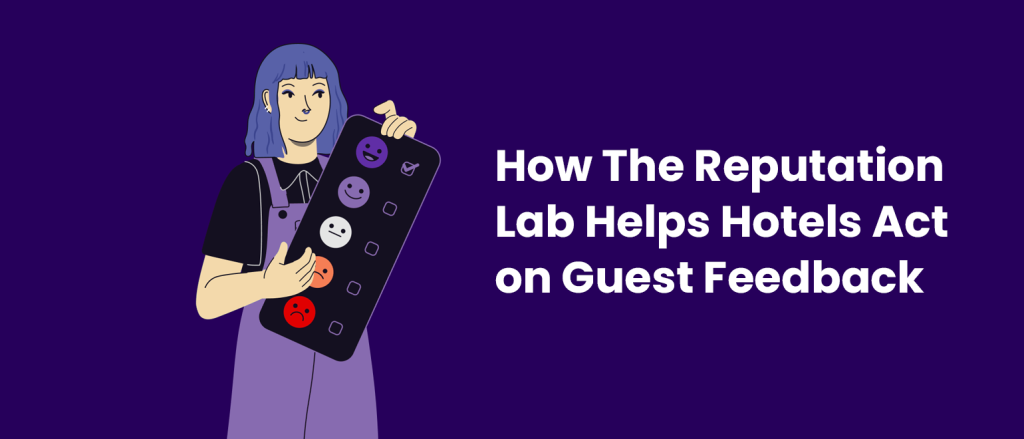
After capturing guest insights, hotels can improve service outcomes by applying practical guidance. The Reputation Lab advises teams on interpreting feedback, responding thoughtfully, and turning insights into meaningful improvements.
-
Helps Interpret Reviews and Written Feedback
By reviewing feedback thoughtfully, The Reputation Lab helps teams recognize patterns, emotional context, and practical opportunities for improvement.
-
Guides Thoughtful and Professional Responses
Advice emphasizes clarity, empathy, and consistency in responses. Teams are supported in crafting communication that strengthens trust, without implying reliance on automated systems or technical platforms.
-
Supports Teams in Acting on Guest Insights
Recommendations focus on grounded, practical improvements in service delivery. Foundations of Hospitality, Guest Resolution, and Guest Engagement are applied to daily practices, including thoughtful upselling and cross-selling when relevant, enhancing the overall guest experience.
Final Thoughts
Hotel guest evaluation provides a structured approach to understanding and responding to real guest experiences. When feedback is gathered inclusively, interpreted thoughtfully, and applied consistently, service improves, trust strengthens, and reputation is protected.
The Reputation Lab supports hotels in translating guest feedback into actionable insights, fostering experiences that guests remember positively and share authentically.